


Power Rack

NEWS CENTER
We specialize in home energy storage, industrial and commercial energy storage
The reason why the forklift lithium battery cannot be charged after discharging
- Categories:Lithium Battery News
- Author:
- Origin:
- Time of issue:2022-04-25 10:59
- Views:
(Summary description)When the forklift lithium battery engine is working normally, the voltage rises very slowly after being charged for a long time.
The reason why the forklift lithium battery cannot be charged after discharging
(Summary description)When the forklift lithium battery engine is working normally, the voltage rises very slowly after being charged for a long time.
- Categories:Lithium Battery News
- Author:
- Origin:
- Time of issue:2022-04-25 10:59
- Views:
Information
When the forklift lithium battery engine is working normally, the voltage rises very slowly after being charged for a long time. Forklift lithium battery manufacturers have concluded that there may be the following reasons:
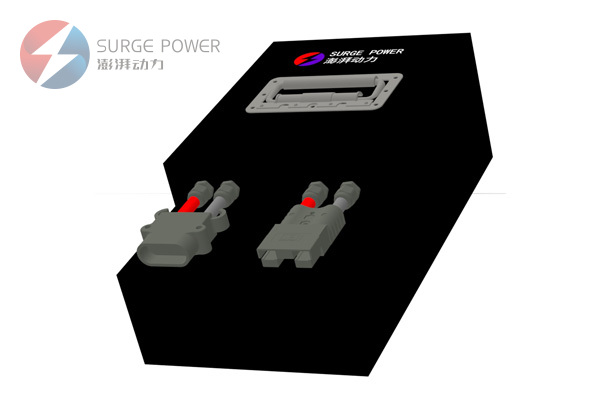
1. The charger of the forklift lithium battery is loose or rusted in the charging circuit, increasing the resistance and reducing the amperage.
2. When the forklift lithium battery is vulcanized, there will be a layer of white aluminum sulfate particles with poor conductivity on the surface. When such coarse particles block the holes of the plate, it is difficult for the electrolyte to penetrate, resulting in the inability of the internal resistance increasing current to pass normally.
3. When the forklift lithium battery is often charged with high current, the battery board is damaged due to insufficient electrolyte level for a long time. When checking, first check whether the wiring is loose or rusted, and then judge whether the board is vulcanized according to the phenomenon during the charging process. If the temperature of the electrolyte rises rapidly during the charging process, or the charging time is not long, the electrolyte will produce a large number of bubbles, but the voltage will not increase, and the specific gravity of the electrolyte will not increase significantly, indicating that the electrode plate has been vulcanized. When the vulcanization is not serious, you can pour out all the electrolyte, inject distilled water, and then charge it with a small current of about 2 amps for a long time to dissolve the aluminum sulfate, but you should be careful not to let the temperature of the forklift lithium battery rise. When the specific gravity of the electrolyte does not increase within a few hours, the battery is fully charged and then discharged.
Keyword:
Scan the QR code to read on your phone
Previous:
Safe use of forklift lithium batteries
Relevant Information
- Related Products
- PRODUCT
CONTACT US
Sales Hotline:
+86-18114616225
Contact us


Copyright © 2021 Suzhou Surge Power Technology Co., Ltd. All Rights Reserved 苏ICP备2020068098号-1 Privacy Policy
Powered by:www.300.cn IPv6 is supported